
ACT Support Services
Download this page as a PDFThis page has information about support services in the Australian Capital Territory (ACT).
The organisations mentioned on this page provide a diverse range of services in the ACT. The purple box below each organisation's name tells you what types of services it provides.
If you need translation or interpreting services you can call the Translating and Interpreting Service National (TIS National) on 131 450.
If you are deaf and/or find it difficult to communicate over the phone, you can call the National Relay Service:
Voice Relay number – 1300 555 727
Type and Read (TTY) number – 133 677
SMS relay number – 0423 677 7670423 677 767
Internet relay users – visit the National Relay Service website
ACT Crisis Support Services
Hospitals in Canberra
Centenary Hospital for Women and Children (no emergency department) is located at the Canberra Hospital and offers specialised services for women’s health.
There are multiple public hospitals in Canberra that provide free health services to the community. You do not need an appointment to visit any hospital emergency department and access generalised and immediate medical care. If your situation is non-critical you may have to wait to be seen by a doctor.
If it is an emergency, call Triple Zero (000) for an ambulance.
Note: If you are a temporary visa holder, access to hospital services may require payment.
Canberra Hospital
North Canberra Hospital
ACT Policing | Sexual Assault and Child Abuse Team
ACT Policing are responsible for keeping the community safe and responding to crimes in Canberra. The Sexual Assault and Child Abuse Team (SACAT), which is located at the ACT Policing Headquarters – Winchester Police Centre, is a specialised team within ACT Police dedicated to investigating sexual assault and child abuse in the ACT. In an emergency, contact ACT Policing on Triple Zero (000). If it is not an emergency but you would like police assistance, call 131 444.
Belconnen Police Station
City Police Station
Gungahlin Joint Emergency Services Centre
Tuggeranong Police Station
Woden Police Station
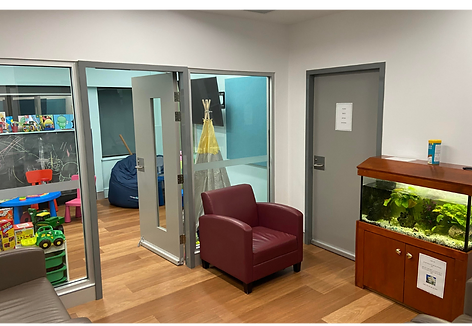
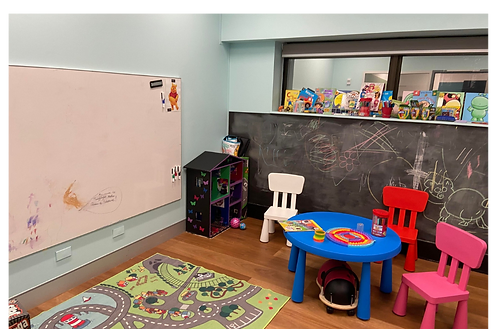
Private waiting room for people before their interview with a police officer in the SACAT team.
Forensic and Medical Sexual Assault Care (FAMSAC)
Forensic and Medical Sexual Assault Care (FAMSAC) is a specialised service for victim-survivors of sexual violence based in the Canberra Hospital. It is staffed by trained doctors and nurses who can provide medical assistance to victim-survivors within 5 days of an assault. FAMSAC can also collect forensic evidence from victim-survivors to be saved in case of future police investigation into the matter. FAMSAC services are free of charge and the facilities are wheelchair accessible.
Child At Risk Health Unit (CARHU)
Child At Risk Health Unit (CARHU) provides medical examinations, health screens, education, consultation and therapy to children aged 0-14 and their families and carers in the ACT who have concerns of child abuse or neglect Crisis services are also offered at CARHU, which include forensic examinations after an assault.
Clinical services will require a written referral. Written referrals can be obtained by visiting Canberra Hospital or North Canberra Hospital, contacting ACT or NSW police or Child and Youth Protective Services (CYPS), or through professional consultation with CARHU staff. CARHU services are free for Medicare and asylum seeker cardholders. Further bulk-billing options are available.
Canberra Rape Crisis Centre (CRCC)
Canberra Rape Crisis Centre (CRCC) provides confidential counselling and practical support to anyone who has experienced any form of sexual abuse. Their free and confidential services include:
- Crisis phone support available from 7am until 11pm, 7 days a week via their crisis line
- 24-hour crisis callout service available through the Forensic & Medical Sexual Assault Care (FAMSAC) and/or Sexual Assault & Child Abuse Team (SACAT)
- Confidential counselling and support for victim-survivors of sexual violence and their supporters, including immediate crisis appointments for women and children
- Advocacy, information and support regarding legal and medical processes, including court preparation and referrals to relevant agencies, services and government departments
- Community education.
CRCC also provides the following services:
Service Assisting Male Survivors of Sexual Assault (SAMSSA)
Service Assisting Male Survivors of Sexual Assault (SAMSSA) offers counselling and support to men over the age of 16 in the ACT and surrounding region who have been impacted by sexual violence.
Nguru Program
The Nguru Program provides support and access to counselling for women, men and children of Aboriginal or Torres Strait Islander communities and their families and supporters.
Redress Support Service
The Redress Support Service assists people who have survived or witnessed institutional child sexual abuse to apply for financial compensation through the National Redress Scheme. CRCC also offers a Therapy Dog program for clients undergoing trauma therapy.
Domestic Violence Crisis Service (DVCS)
Domestic Violence Crisis Service (DVCS) offers a range of free and confidential services to domestic and family violence victim-survivors and their families. All services can be accessed by calling the 24/7 DVCS Crisis Line above.
Services are confidential except where mandatory reporting is required.
DVCS provides 24/7 crisis intervention services to anyone who is experiencing, or has experienced, domestic and family violence. Their crisis services include telephone support, attendance with police at domestic and family violence incidents, access to safe emergency accommodation, safety planning and referrals to support services. Supporters may also contact the Crisis Line for advice if they have concerns about someone who may be experiencing family or domestic violence.
DVCS provides legal support and advocacy. The DVCS legal advocacy team can support victim-survivors of violence to apply for family violence orders, give referrals to solicitors for legal advice, help develop victim impact statements, support victim-survivors when giving evidence in court, track domestic and family violence matters as they proceed through court through the Court Advocacy Program and help victim-survivors liaise with key legal organisations, such as the courts.
DVCS offers the Staying@Home Program for female* victim-survivors and their families to stay safe in their homes after leaving an abusive relationship. DVCS staff act as case managers to help victim-survivors undertake risk assessments of their living situation, develop safety plans, access home security upgrades, liaise with relevant accommodation and safety services and access other appropriate support services.
The DVCS Young Peoples Outreach Program helps with the wellbeing and recovery of children and young people (aged 5–13) who have been exposed to domestic and family violence, either as witnesses or direct victims. DVCS staff work to build positive, trusting and safe relationships with children and their families before working with the child to discuss their experiences at home, the strategies they’ve used to stay safe and to identify personal strengths and resilience. Staff also work to develop support networks so that each child can access ongoing support after the program.
The Moving On Program is an 8-session peer support group for female* victim-survivors of violence. The program focuses on developing strategies and personal resources to help participants move on after family and domestic violence, explore each participant’s sense of self and grow their social skills, confidence and self-esteem.
The Growing Together Program is an open group for women* and their primary-school aged children who have experienced domestic and family violence. The focus of the group is to provide supported opportunities to strengthen the mother–child relationship after violence. Sessions are centred around play, arts and crafts, music and physical activities that promote healthy and wellbeing for participants. It aims to enhance the connection between mothers and their children. Siblings are welcome to attend the program.
The DVCS website provides information on safety planning (including information about how to stay safe during an incident at home, preparing to leave a relationship, staying safe after a relationship has ended, protection orders and online safety). This information is also available in an ‘easy English’ guide.
ACT Access Mental Health
ACT Access Mental Health offers immediate support to anyone who is experiencing a mental health crisis. They can make referrals to mental health services where necessary. Additional mental health resources are available via the Access Mental Health website, which includes information about the various mental health options across the ACT.
Home Assessment and Acute Response Team (HAART)
The Home Assessment and Acute Response Team (HAART) is a mental health crisis service that can be accessed by all ACT residents who are experiencing an acute exacerbation of a mental illness and/or severe psychological or emotional distress. HAART can provide immediate assistance through home-based mental health crisis assessment and short-term treatment and support. HAART can refer you to other services for ongoing hospital and community care. HAART is a government service and accepts referrals from Access Mental Health.
ACT Legal Services
Legal Aid ACT
Legal Aid ACT provides a range of services and legal advice to people in the ACT, particularly those who cannot afford private legal advice. The Legal Aid Helpline is a free, confidential phone service staffed by Legal Aid paralegals who can help you organise an appointment with a lawyer for advice, send you information and resources relating to your legal problem and send an application for a grant of legal assistance.
Legal Aid ACT employs duty lawyers who can be consulted for free at the ACT Magistrates Court and Children’s Court for assistance on a one-off basis. They do not provide ongoing support. Duty Lawyers can provide legal representation at ACT Civil and Administrative Appeals Tribunal hearings related to mental health orders. For ongoing legal advice and representation, you may be required to meet the financial means test for a grant of legal aid. See the Legal Aid ACT Helpline or Live Chat service for more information.
Legal Aid ACT also provides the following services:
Older Persons ACT Legal Service
This is a free and confidential legal service that provides help to older people in Canberra.
Youth Law Centre
This is a free and confidential legal service for young people aged 12 to 25. It operates as a walk-in centre on weekdays from 10am to 4pm and can also be accessed over the phone or by appointment.
Domestic and Family Violence Unit
This is a free and confidential legal service that provides assistance in applying for, understanding and responding to Family Violence Orders and Personal Protection Orders. It can also provide referrals to non-legal support services and can help you access non-legal solutions. It is appointment-based.
Community Liaison Unit
This unit helps people in the community access services provided by Legal Aid ACT, other legal services in the ACT and non-legal support services. Contact details can be found on the Legal Aid website. Dedicated officers include Aboriginal Liaison Officers, Cultural Liaison Officers, Family Violence Officer, Family Advocacy and Support Service Family Advocate, Disability Justice Liaison Officer and Migration Clinic.
Women's Legal Centre ACT
The Women’s Legal Centre ACT provides free information, legal advice and representation to women. It can be accessed by phone and can assist with a range of issues, including domestic and family violence, discrimination, sexual harassment and filling out applications for financial assistance for victims of crimes.
The Women’s Legal Centre ACT also provides the service Mulleun Mura: Aboriginal and Torres Strait Islander Women’s Access to Justice, which supports Aboriginal and Torres Strait Islander women and their families to stay safe. It focuses on women affected by domestic and family violence, relationship breakdown and those who need help engaging with Child Protection services. Staff from Mulleun Mura can meet you where you feel safe, such as in a cafe or in your home.
Canberra Community Law
Canberra Community Law provides free, independent and confidential legal advice and advocacy services. Their services include:
providing specialist housing and social security law assistance for women experiencing family violence
providing information, referral and/or one-off legal advice in most areas of law not covered by CCL’s day time services, and providing legal advice and representation for people with lived experience of mental ill-health, as well as community legal education.
Aboriginal Legal Service (NSW/ACT)
The Aboriginal Legal Service (NSW/ACT) is a First Nations-led organisation providing legal and community services to Aboriginal and Torres Strait Islander people in NSW and the ACT. It provides free legal advice and representation in criminal and family law. It also operates the Family Violence Legal Service, which provides early support, intervention and community education to minimise the risk of children being removed from their families and communities.
ACT Law Society
The ACT Law Society assists individuals who are seeking legal assistance by providing referrals to specialist lawyers and firms. It can also provide free legal assistance to disadvantaged members of the community through the Pro Bono Clearing House, once all other avenues for assistance have been exhausted. The ACT Law Society can be contacted by phone or email.
ACT Accommodation Services
OneLink ACT
OneLink ACT acts as a central intake service for people experiencing, or at risk of experiencing, homelessness in the ACT. There are specialist services for men, women and young people. OneLink works closely with all services to assess needs, make referrals and connect clients with appropriate support. A OneLink assessment officer will discuss your needs, situation and appropriate services for assistance. They will connect clients with appropriate support services, including crisis accommodation.
Beryl Women Inc.
Beryl Women Inc. is a specialist domestic violence crisis accommodation service which can be accessed by women and children who are escaping domestic and/or family violence in the ACT. During business hours, access should be arranged through OneLink. Outside business hours, DVCS can assist with crisis accommodation. Beryl provides a range of trauma-informed services including short-term and low-cost crisis accommodation, community outreach services, advocacy, therapeutic support, case management, referrals to other appropriate support services and post-crisis group support programs. Staff are trained and are from various diverse backgrounds, including First Nations women.
The Salvation Army: Oasis Youth Services
The Salvation Army’s Oasis Youth Service provides 24-hour emergency accommodation for 13 young people aged 16-21 years every night. There are staff on-site at all times who work alongside the young people to build trust, help them to access and attend appropriate services and ensure that they are supported as they work towards sourcing long-term, stable accommodation.
There are four refuges located in the Canberra region: Tuggeranong, Weston Creek, North Canberra and Belconnen. Contact OneLink for a referral, or use the numbers listed above to contact the refuges directly after business hours.
Toora Women Inc.
Toora Women Inc. is a registered community housing provider offering trauma-informed gender specialist residential and outreach support to women aged 16 and older and accompanying children and families, who have experienced past or present traumas: domestic, family and sexual violence, homelessness, the impact of their own or others' drug and alcohol use, mental health issues and incarceration.
Services include case management, advocacy, safety planning, crisis and transitional accommodation, assistance to obtain independent accommodation or to sustain a tenancy, community integration and support post detention, culturally sensitive support for women with uncertain visa status, as well post-crisis therapeutic supports.
In partnership with EveryMan, Toora provides wrap around violence intervention programs to couples and families to address patterns of abuse and develop respectful relationships. All programs are supported by an Aboriginal Liaison Officer and Child & Family Specialist.
Doris Women's Refuge
Doris Women's Refuge is an emergency accommodation service in Belconnen that can be accessed by women and children in the ACT who are escaping domestic and/or family violence.
Doris Women's Refuge provides supported short and medium term accommodation. Doris Women's Refuge can be accessed for free, but rent may be charged in some cases based on income.
Facilities are wheelchair accessible.
Kim Ransa's Safe House is a joint venture between Doris Women's Refuge and private community donors which provides an immediate response and assistance to migrant and refugee women and children fleeing domestic violence in the ACT.
Karinya House for Mothers and Babies
Karinya House for Mothers and Babies provides supported accommodation, transitional housing and outreach support to mothers and babies in Canberra and the surrounding region.
They offer information, counselling, 24 hour support, advocacy, casework and referrals for pregnant women at any time before the birth of their baby and for up to three months after their baby is born.
Louisa Domestic Violence Service
Louisa Domestic Violence Service is a community-based service in Queanbeyan, NSW, that provides secure crisis accommodation, early intervention and outreach support for women and children escaping domestic and family violence.
ACT General Support Services
A Gender Agenda
A Gender Agenda (AGA) supports the goals and needs of the intersex, transgender and gender diverse communities of Canberra and the surrounding region through education, advocacy, peer support and professional networks.
AGA provides educational resources related to supporting LGBTIQA+ people and those who are questioning their gender identity, sexual health and wellbeing for intersex, transgender and gender diverse people, and LGBTIQA+ advocacy.
AGA also offers social and networking events and training workshops on how to best support members of the LGBTIQA+ community.
AGA’s Friday Centre also offers peer-navigation support for transgender and gender diverse people during their social, legal and/or medical transition.
AGA House is located in Lyneham. Contact AGA via phone or their website for the address.
ACT Disability, Aged and Carer Advocacy Service (ADACAS)
ACT Disability, Aged and Carer Advocacy Service (ADACAS) provides free advocacy and information to people with a disability, people experiencing mental health issues and older people and their carers.
ADACAS provides a range of free services, including support to access the National Redress Scheme and systemic advocacy.
ADACAS also develops tools to help people help themselves, such as the Supported Decision Making toolkit and inclusion training, which is available to those working with people with disability within a human rights framework.
When accessing the ADACAS centre, the car park on the Hilder Street side of the building is the most accessible.
Advocacy for Inclusion
Advocacy for Inclusion supports the voices of people with disabilities and advocates for their rights and preferences at the individual and systemic levels.
They provide short-term individual advocacy support for people living with a disability or mental illness who are seeking assistance to resolve issues they are facing, such as NDIS appeals or systemic problems.
Menslink
Menslink provides free counselling, mentoring and group education programs to young men aged 10–25 and their families.
Menslink provides a friendly, welcoming and supportive service for young men affected by sexual assault, domestic violence, bullying or other trauma.
Adamas Nexus
Adamas Nexus is a peer-support group for women who have experienced violence, abuse or intimidation.
They facilitate fortnightly group sessions that alternate between being held in person and online.
An eligibility questionnaire can be accessed via the Adamas Nexus website.
Canberra Sexual Health Centre
The Canberra Sexual Health Centre provides sexual health care including free testing for, and treatment of, sexually transmitted infections.
The clinic operates by appointment and offers telehealth or in-person appointments.
A Medicare card is recommended but not required.
Companion House
Companion House is a non-government community-based organisation that supports people who have come to Australia to avoid persecution, torture and war-related trauma.
Companion House can be accessed by refugees and asylum seekers and provides a number of services, including counselling and complementary therapy, as well as general practice and primary health medical services.
The Companion House website can be viewed in multiple languages.
Headspace
Headspace is a national mental health service that can be accessed in centres across Australia, by phone or online.
Headspace provides a range of services, including free or lower cost in-person consultations with clinical mental health professionals, free or lower cost consultations with on-site GPs for medical advice and treatment relating to sexual health, and telehealth consultations with psychiatrists for people aged between 12–25 and workers in regional and remote areas.
EveryMan
EveryMan provides counselling support to men who are at risk of homelessness, who live with mental health issues or disability, have perpetrated or experienced sexual violence, have been imprisoned, are socially isolated or are experiencing relationship or parenting issues.
These services are free, confidential and appointment-based.
EveryMan also offers violence prevention programs, support for Aboriginal and Torres Strait Islander peoples within the community, accommodation and outreach support and NDIS services.
EveryMan can be contacted by phone or via the contact form on their website.
Stride’s Safe Haven
Stride is a specialist mental health service to improve the lifelong mental health of children, young people and adults.
Stride’s Safe Haven is a drop-in space for people experiencing suicidal thoughts and/or emotional distress to access support from Peer Support Workers and non-clinical Mental Health Support Workers.
You do not need a diagnosis or referral to access this service. Canberra’s Safe Haven is in Belconnen.
Women With Disabilities ACT (WWDACT)
Women With Disabilities ACT (WWDACT) is an advocacy and peer support organisation that provides systemic advocacy for women, girls, female-identifying people and non-binary people in the ACT who are living with disabilities.
This organisation does not provide individual support or advocacy, but focuses on representing the interests of women with disabilities at a broader level in order to create a more inclusive community.
YWCA Canberra
YWCA Canberra is a feminist not-for-profit organisation that provides community services and support for women, girls and families in the ACT and surrounding regions.
Their Domestic Violence Support Service provides free, confidential support to women to enhance safety and wellbeing, including safety planning, legal and housing support, and emotional support for victim-survivors and their families.
YWCA Canberra’s Next Door service also provides housing support for older women experiencing or at risk of homelessness.
Meridian
Meridian is a peer-led, community-controlled organisation providing primary health and social support services to communities in the ACT.
They are a specialist service provider for people with diverse sexualities and genders, HIV-positive communities and sex workers, offering psychological therapies, peer-support, outreach programs, advocacy, community training, education and sexual health services.
Relationships Australia Canberra & Region
Relationships Australia Canberra & Region is an independent not-for-profit organisation supporting personal and community wellbeing.
Services include Canberra Family Relationship Service, Specialist Family Violence Service, Coronial Counselling Service, ACT Gambling Counselling and Support Service, Dhunlung Yarra Service, Elder Relationship Service, counselling and mediation.
Sexual Health and Family Planning ACT (SHFPACT)
SHFPACT provides free unplanned pregnancy counselling, testing and treatment for sexually transmitted infections, and community education programs.
The clinic also offers consultations across a range of sexual and reproductive health needs, including referrals for medical abortion and post-abortion counselling services. Appointments can also be booked through the SHFPACT website.
ACT Children and Young People Commissioner
The ACT Children and Young People Commissioner is an independent position within the ACT Human Rights Commission which promotes the rights of children and young people.
The Commissioner promotes youth participation in decision making and can provide advocacy, representation, investigation and monitoring services to vulnerable children and young people.
ACT Public Advocate
The ACT Public Advocate is an independent statutory position within the ACT Human Rights Commission that works to protect and promote the rights and interests of people in the ACT who are vulnerable to abuse, exploitation and neglect.
This includes people living in mental health facilities and supported accommodation, children and young people living in out-of-home care and people in custody. The Public Advocate also monitors the provision of services to people experiencing vulnerability and oversees systems that support and respond to people experiencing vulnerability.
The Junction Youth Health Services
The Junction Youth Health Service provides bulk-billed primary health care and support services to young people aged 12–25, and their dependent children.
Services include GPs, nurses, smoking cessation support, case management, youth work support and outreach in schools, as well as education and advocacy on health issues affecting young people in the Canberra region.
Victim Support ACT
Victim Support ACT provides support, advocacy and financial assistance to people who experience crime in the ACT.
Services include guiding victims through the criminal justice process, advocating for clients in relation to their rights as victims of crime, and providing referrals to free counselling or other relevant support services.
Victim Support ACT also assists victims of violent crime to apply for financial assistance through the Financial Assistance Scheme for Victims of Crime and is part of the ACT Human Rights Commission.
Women's Health Service
The Women's Health Service provides nursing, medical, nutrition and counselling services for women in the ACT who have been affected by violence or otherwise have difficulty accessing health services.
The service is staffed by women and is free for valid Medicare cardholders. They cannot provide mental health care plans, chronic disease care plans or crisis counselling. Same-day medical appointments are available at 1pm Monday to Friday. See the Women's Health Service website for other clinic locations.